

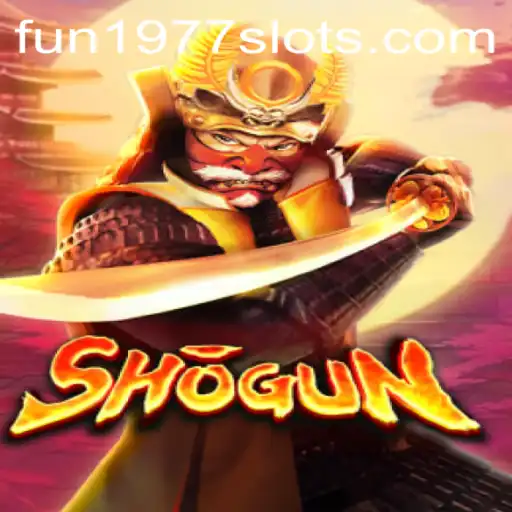

Delve into the strategic excitement of Shogun, an immersive board game blending history and strategy with modern gaming trends.
Rediscovering Shogun: A Strategy Game for the Ages
In the ever-evolving realm of board games, where new entries vie for dominance and classic staples maintain their foothold, Shogun has consistently captured the interest of strategic minds worldwide. Originally inspired by the complex and tumultuous era of Japanese history, Shogun allows players to embark on a profound journey through feudal Japan, assuming the roles of Daimyos vying for supremacy. This timeless game merges elements of strategy, luck, and diplomacy, testifying to its lasting intrigue.
The Foundation of Shogun: Historical Context and Gameplay Dynamics
The thematic premise of Shogun is deeply rooted in the Warring States period of Japan, a time of constant military conflict and political maneuvering. This foundation offers players a rich tapestry of historical context, upon which core gameplay elements are built. Each player assumes the identity of a powerful daimyo, with the primary objective being the consolidation of power through strategic territorial control and resource management.
What sets Shogun apart from other strategic board games is its unique blend of active and passive conflict, where decision-making constantly influences the balance between expansion and defense. The game board itself is a map of feudal Japan, divided into provinces that players must strategically conquer or defend. Each province offers distinct advantages, from generating resources to providing the strategic depth necessary to outmaneuver opponents.
Unpacking the Gameplay: Rules and Mechanics
Shogun incorporates a variety of mechanics designed to test strategic acumen. It utilizes a mix of predictable and random elements, ensuring that each game unfolds in unexpected yet thrilling ways. A standard game is played over a series of turns, generally representing one season of action during which players must plan their moves carefully.
Setting Up the Game
To begin, players select their daimyo, each characterized by unique abilities influencing gameplay. The game board is divided into regions, each under the initial control of various players. Tokens representing armies and special resources are placed within these regions, setting the stage for the forthcoming contest.
Game Flow
While the specifics may vary, the game usually progresses through the following phases:
- Planning Phase: Each player secretly plans their actions for the turn, selecting from options such as moving troops, bolstering defenses, or collecting resources.
- Action Phase: Actions are revealed and resolved, often leading to clashes as armies vie for control of contested regions. This phase underscores the importance of anticipating opponents' strategies while adapting to the evolving battlefield dynamics.
- Resolution Phase: Conflicts are resolved through a combat mechanism, often involving dice rolls or similar randomizing elements, which introduce an element of chance into otherwise deterministic strategies.
These phases repeat until the season concludes, at which point players reassess their positions and strategize future moves.
The Role of FUN1977: Modern Mechanics and Trends
In modern iterations, such as those influenced by the concepts of FUN1977, new mechanics and narrative elements have been introduced, allowing Shogun to maintain relevance amidst industry trends. Contemporary versions may incorporate modular expansions or digital components that enhance interaction, influenced by current shifts in player preferences toward hybrid analog-digital experiences.
The introduction of FUN1977-related elements enhances the narrative depth of the game and introduces unpredictability, challenging traditional power dynamics and inviting novel strategies. By integrating these modern mechanics, Shogun extends its reach, capturing both nostalgic enthusiasts and new players seeking multifaceted gameplay.
Shogun in the Current Gaming Landscape
In today's gaming landscape, board games like Shogun face the dual challenge of innovation and heritage preservation. The rise of digital gaming and shifting consumer preferences have prompted adaptations that keep the game compelling and engaging. Recent trends see publishers experimenting with enhanced storytelling, visually stunning components, and inclusivity in themes and mechanics.
As players engage with Shogun, they become not just participants, but storytellers within a complex historical canvas, where every decision shapes the empire's destiny. It's a testament to the enduring appeal of board games that Shogun continues to thrive, offering an experience balancing intellectual rigor with entertainment.